
Discover our guide to the best authors like Paul Doiron. They weave natural settings into intricate crime dramas for thrilling tales in stunning locations.
The best authors like Paul Doiron include William Kent Krueger, C.J. Box, Craig Johnson, Nevada Barr, Joseph Heywood, and Margaret Coel. These writers share Doiron’s blend of wilderness settings and crime fiction, building series such as Cork O’Connor, Joe Pickett, Walt Longmire, Anna Pigeon, and the Woods Cop Mysteries around game wardens, rangers, and rural lawmen.
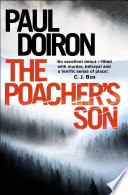
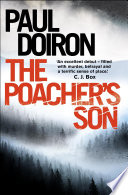
Author Paul Doiron created the Mike Bowditch series of crime novels. These books take place in the woods of Maine, adding a natural element to the world of crime solving. Doiron launched the series with*The Poacher’s Son**, which he published in 2010. It earned many accolades, including a Barry Award for best first novel and nominations for the Edgar and Anthony Awards. The book also was honored with the Best Fiction of 2010 Maine Literary Award.
If you love this style of wilderness crime fiction, browse our full mystery and crime collection or explore more author guides to find your next series.
For more recommendations, you might also enjoy exploring authors like Harlan Coben, authors like Gillian Flynn, best detective novel series.
Table of Contents
Open Table of Contents
-
- 2. C.J. Box, 1958 -
- 3. Craig Johnson, 1961 -
- 4. Bruce Robert Coffin
- 5. Steve Hamilton, 1961 -
- 6. Randy Wayne White, 1950 -
- 7. Ace Atkins, 1970 -
- 8. Joseph Heywood, 1943 -
- 9. Margaret Coel, 1937 -
- Frequently Asked Questions
- 10. Nevada Barr, 1952 -
- Book Club Discussion Guide: Nature Crime Fiction
- Must-Read Authors Like Paul Doiron
2. C.J. Box, 1958 -
Book cover of The Highway by C.J. Box
C.J. Box has over 30 novels, many of which are number-one* New York Timesbestsellers. Most famous for the Joe Pickettseries, he primarily writes mystery fiction thriller books. Box was born in Wyoming and continues to live in that state, but he attended the University of Denver for college. In 2001, Box published his first book, Open Season, and it earned a spot on theNew York Times* list of notable books for the year.
Several books, including Blue Heavenand Nowhere to Run, have been optioned for movies or TV shows.The Highway**, his 2013 novel, was the source material for the ABC dramaBig Sky**.
“It came in horrible flashes, and Cassie found herself fast-forwarding, getting the gist but not dwelling a second longer than necessary on the actual details.”
C.J. Box, The Highway
3. Craig Johnson, 1961 -
Craig Johnson
A native of Wyoming, Craig Johnson writes westerns and detective stories, many of which feature settings from his home state. The Sheriff Walt Longmire novel series is one of his most famous, and it has been made into a TV series by the same name. The first*Longmire *book,*The Cold Dish, *was published in 2004. In 2009, his Longmire book Another Man’s Moccasins* *won the Spur Award for Best Western Short Novel.*Longmire books often end up on theNew York Times* bestselling list. Each year Johnson’s work is celebrated in a festival named Longmire Days, and Johnson usually attends, as do some of the actors from the television show.
“A writer, like a sheriff, is the embodiment of a group of people, and without their support, both are in a tight spot.”
Craig Johnson, Another Man’s Moccasins
4. Bruce Robert Coffin
Book cover of Within Plain Sight by Bruce Robert Coffin
Bruce Robert Coffin is an award-winning author of the Detective Byronnovels. As a former detective sergeant who spent over 27 years in law enforcement, he draws from his personal experience to write his books. In this line of work, he was the supervisor for all the homicide and violent crimes in the largest city in Maine. Coffin also spent four years investigating counter-terrorism for the FBI after the 9-11 attacks. He has several awards as an author, including Killer Nashville’s Silver Falchion Award and the Maine Literary Award for Best Crime Fiction Novel for* Within Plain Sight*. His books have also been finalists for the Agatha Award.
“The flies buzzing around the body were a telltale sign that death had not occurred overnight.”
Bruce Robert Coffin, Within Plain Sight
5. Steve Hamilton, 1961 -
Book cover of A Cold Day In Paradise by Steve Hamilton
An award-winning mystery novel writer, Steve Hamilton resides in New York. As a young adult, he worked for IBM, writing at night after his family went to bed. This lasted for his first 12 books when he decided he could retire to write full-time. A Cold Day in Paradise, his 1998 book, has won multiple awards, including the Best First P.I. Novel from St. Martin’s Press and Edgar Allan Poe and a Shamus award for Best First Novel. In 2016 his novelThe Second Life of Nick Mason debuted as aNew York Times bestseller for hardcover and e-book releases. Hamilton writes the Alex McNight, the*Nick Mason *series, and some standalone novels.
“There is a bullet in my chest, less than a centimeter from my heart. I don’t think about it much anymore. It’s just a part of me now.”
Steve Hamilton, A Cold Day in Paradise
6. Randy Wayne White, 1950 -
Book cover of Sanibel Flats by Randy Wayne White
Randy Wayne White writes crime novels featuring Doc Ford, a retired NSA agent and marine biologist in Florida. White has lived on Sanibel Island since 1972, allowing him to write clearly about living in the state. Many of White’s books have been New York Times bestsellers, and he has written under the pen names Carl Ramm and Randy Striker.
As White, he writes the Doc Fordseries, Sharks, a spin-off series for kids, and the Hannah Smith series.*Sanibel Flats**, published in 1990, was his first book in the Doc Ford world. In addition to writing, White operates Doc Ford’s Rum Bar & Grille, a laid-back dining establishment with four locations throughout the state. If you’re searching for more crime novels to add to your reading list,
“Didn’t understand the nation’s habit of clubbing itself each morning with a list of tragedy and doom before trying to go cheerfully into the day. Like arsenic, it had to have a cumulative effect.”
Randy Wayne White, Sanibel Flats
7. Ace Atkins, 1970 -
Ace Atkins
Ace Atkins is the son of former NFL football player Billy Atkins, but his life took a different route than his famous father. Atkins spent time playing football in college, but after graduating, he turned to writing, working as a crime reporter for The Tampa Tribune. This work gave him a taste for crimes and mysteries. In 1998 he published* Crossroad Blues*, his first novel.
While at the Tribune, he received a nomination for the Pulitzer Prize, though he didn’t win. By age 30, he could retire from journalism to write novels full-time. Each of his works contains a little autobiographic content, whether it is people he knew in real life, places he lived, or crimes similar to those he wrote about. Atkins has three series to his name, including the Nick Travers, Quinn Colsonand Robert B. Parker’s Spenserseries.
“The blues came from all he knew, all he was. He put that lonesome feeling in each note. The longing. The losses.”
Ace Atkins,Crossroad Blues
8. Joseph Heywood, 1943 -
Book cover of Ice Hunter by Joseph Heywood
Author Joseph Heywood writes the* Woods Cop Mysteries* and standalone novels. The prolific author is also a skilled photographer and painter. After graduating high school in Michigan, Heywood attended Michigan State University, where he majored in journalism. After finishing school, he enlisted in the Air Force, serving for five years and spending time in Vietnam before receiving an honorable discharge.
The Woods Cop Mysteries books revolve around the lives of Michigan Upper Peninsula conservation officers. Heywood spends one month on patrol with them each year to learn about their work. The first book in the series, Ice Hunter, explores what would happen if diamonds were found in the UP and it became overrun with greedy miners. The author has a passion for the UP, which his books show.
“Grady Service had seen enough life to know what expectations and reality rarely intersected.”
Joseph Heywood,Ice Hunter
9. Margaret Coel, 1937 -
Book cover of The Spirit Woman by Margaret Coel
American historian Margaret Coel also writes mystery novels. A resident of Colorado for all of her life, she writes the Wind River Mysteries, a series of 20 books published between 1995 and 2016. These books take place on the Wind River Reservation of Wyoming, and the plots are based on actual crimes against the Arapaho people. Before starting her literary career, Coel majored in journalism at Marquette University.
After graduation, she worked for the Boulder Daily Camera and began writing books soon after. Throughout her writing career, she earned six Colorado Book Awards and one WILLA Literary Award for her novel The Spirit Woman. Coel also writes non-fiction books, including* Chief Left Hand*, an award-winning biography of an Arapaho chief.
“He’d drawn in a long breath, struggling to control the disappointment that flooded over him. It was as strong as the mountains, as big of the sky.”
Margaret Coel, The Spirit Woman
Frequently Asked Questions
What’s the difference between mystery and thriller books?
Mystery books focus on solving a puzzle or crime, often with a detective protagonist, while thriller books emphasize suspense, danger, and action. Mysteries are more cerebral and puzzle-oriented, while thrillers are more emotional and adrenaline-driven.
What makes a great mystery or thriller book?
Great mystery and thriller books feature compelling characters, tight plotting, and skillful pacing that keeps readers engaged. They should offer fair clues for mystery readers while maintaining suspense and delivering satisfying resolutions.
Are mystery and thriller books suitable for all readers?
Mystery and thriller books can be suitable for most adult readers, though some may contain violence, mature themes, or disturbing content. It’s important to check reviews and content warnings if you’re sensitive to certain themes.
Why do people love mystery and thriller books?
People love mystery and thriller books for the intellectual challenge, emotional engagement, and escape they provide. These genres offer both entertainment and the satisfaction of solving puzzles or experiencing high-stakes situations safely.
10. Nevada Barr, 1952 -
Nevada Barr
Nevada Barr writes mystery fiction works, many of which are set in the national parks of the United States. Before she started writing, Barr attended California Polytechnic State University, San Luis Obispo, majoring in speech, drama, and acting. Partway through graduate school, she transferred to the University of California, Irvine. For 18 years, she performed as a professional stage actor and voice-over artist. During this time, she started writing. Barr also spent some time working as a park ranger in the summers, and those experiences found their way into her books.
In 1993, she published Track of the Cat, her first novel, and introduced Anna Pigeon, a character that would show up in most of her mystery books. Pigeon solves murders with connections to the national parks in some way. The book won the Anthony and Agatha Awards for best first novel. When her books became commercially successful, Barr stopped acting to write full-time.
“From long experience, she knew that she wore her loneliness like armor. Very few people ever recognized it for what it was. To the casual observer, it looked very much like arrogance. Sometimes it was.”
Nevada Barr, Track of the Cat
Book Club Discussion Guide: Nature Crime Fiction
Setting as Character
- How do natural settings function as more than just backdrops in these authors’ works? Discuss how the wilderness becomes almost a character itself.
- Compare the different natural environments: Paul Doiron’s Maine woods, C.J. Box’s Wyoming, Craig Johnson’s Western landscapes. How does each setting influence the types of crimes and investigations?
- What role does seasonal change play in these mysteries? How do authors use weather and natural cycles to enhance tension?
Law Enforcement and Community
- These authors often feature law enforcement officers who are deeply connected to their communities. How does this differ from urban police procedurals?
- Discuss the concept of “local knowledge” in solving crimes. How do these characters use their understanding of place and people that outsiders might miss?
- What challenges do rural law enforcement officers face that their urban counterparts don’t?
Environmental Themes
- Many of these books deal with environmental crimes: poaching, illegal logging, mining disputes. How do these authors balance entertainment with environmental awareness?
- How do conflicts between conservation and economic development drive plot tensions?
- What do these books suggest about humanity’s relationship with nature?
Character Development
- These protagonists often have personal connections to their landscapes. How do their backgrounds as guides, rangers, or local residents affect their investigative approaches?
- Discuss the concept of the “wounded hero” in several of these series. How do past traumas shape these characters?
- How do these authors balance their protagonists’ professional duties with personal relationships?
Reading Challenge Ideas
- Geographic Journey: Read one book from each major American region represented by these authors.
- Seasonal Reading: Match books to seasons—read winter-set mysteries in winter, etc.
- Series Deep Dive: Choose one author and read their series in order to see character development over time.
- Environmental Focus: Focus on books that deal with specific environmental issues like water rights, mining, or wildlife protection.
Author-Specific Discussion Questions
For Paul Doiron’s Mike Bowditch series:
- How does Bowditch’s background as a game warden shape his investigative style?
- What role does his relationship with his father play in his character development?
For C.J. Box’s Joe Pickett series:
- How does Box balance family life with dangerous investigations?
- What does the series say about the changing American West?
For Craig Johnson’s Walt Longmire series:
- How does Johnson incorporate Native American culture and perspectives?
- What role does humor play in balancing the serious subject matter?
For Nevada Barr’s Anna Pigeon series:
- How does Barr use national parks as both beautiful settings and crime scenes?
- What does Anna’s solitary nature bring to the investigative process?
Comparative Analysis
- Urban vs. Rural: How do these rural mysteries differ from urban crime fiction in pacing, character development, and plot structure?
- Sense of Place: Which author creates the strongest sense of place? What techniques do they use?
- Environmental Consciousness: How do different authors approach environmental themes? Some are more activist, others more subtle.
Crime and Punishment in Rural Settings
- How do these authors handle the concept of justice in small communities where everyone knows everyone?
- What happens when the criminal is someone the protagonist knows personally?
- How do these books address the tension between law and local custom?
Questions for Deeper Discussion
- What attracts you to nature-based crime fiction? How does it differ from other mystery subgenres?
- Which author best captures the relationship between humans and their environment?
- How do these books change your perspective on rural life and challenges?
- What environmental issues raised in these books concern you most?
- Which setting would you most like to visit? Which would you least like to investigate crimes in?
Book Club Activities
- Map It Out: Create maps showing the settings of different series and discuss how geography influences plot.
- Nature Journal: Keep notes about how each author describes their natural setting and what makes their descriptions distinctive.
- Environmental Research: Research real environmental issues in the regions these authors write about.
- Character Comparison: Create profiles comparing the different protagonists’ backgrounds, skills, and personal challenges.
Must-Read Authors Like Paul Doiron
If you enjoy mystery and suspense, consider exploring best detective novel series, authors like Harlan Coben, authors like Agatha Christie.
1. William Kent Krueger, 1950 -
William Kent Krueger is a crime author best known for his Cork O’Connor books. Krueger fell in love with words at a young age, and his teachers and parents called him “The Walking Dictionary” when he was in the third grade. For college, Krueger attempted to attend Stanford, but he left when he failed to see eye to eye with the administration during student protests in the 1970s. As a young adult, he worked various odd jobs, including ditch digging and timber logging, and as a freelance journalist. During these early years, Krueger wrote short stories and sketches.
In 1999 when he was 40, he published Iron Lake, his first novel and the first Cork O’Connor book. It won the Best First Novel from the Anthony and Barry Awards, and it also earned the Minnesota Book Award. In 2005 and 2006, he won back-to-back Anthony awards for Mercy Falls and Ordinary Grace. A resident of Minnesota, Krueger often sets his stories in his home state.
Krueger shares Doiron’s gift for creating authentic rural settings where nature isn’t just background scenery but an active participant in the story. His Cork O’Connor series, featuring a half-Irish, half-Anishinaabe former sheriff, explores the intersection of different cultures in Minnesota’s Northwoods. Like Doiron, Krueger understands that the best nature-based mysteries use the landscape to reflect the internal struggles of their characters. His 2025 releases continue to delve into environmental themes and indigenous perspectives, making his work feel both timeless and remarkably current.
“Haven’t you seen that part of me as well? A man’s many things. To isolate one part of him and judge him on that alone is to do him an injustice, don’t you think?”
William Kent Krueger, Iron Lake
2. C.J. Box, 1958 -
C.J. Box has over 30 novels, many of which are number-one New York Times bestsellers. Most famous for the Joe Pickett series, he primarily writes mystery fiction thriller books. Box was born in Wyoming and continues to live in that state, but he attended the University of Denver for college. In 2001, Box published his first book, Open Season, and it earned a spot on the New York Times list of notable books for the year.
Several books, including Blue Heaven and Nowhere to Run, have been optioned for movies or TV shows. The Highway, his 2013 novel, was the source material for the ABC drama Big Sky.
Box’s Joe Pickett series perfectly captures what makes nature-based crime fiction so compelling. Like Doiron’s Mike Bowditch, Joe Pickett is a game warden who finds himself investigating crimes that go far beyond simple poaching violations. Box’s deep understanding of Wyoming’s landscapes and the people who call them home creates the same authentic atmosphere that makes Doiron’s Maine so vivid. His 2025 releases continue to explore how environmental crime intersects with larger criminal conspiracies, proving that the wilderness can be just as dangerous as any urban setting.
What makes Box particularly appealing to Doiron fans is his ability to balance procedural elements with genuine character development. Both authors understand that readers want to see their protagonists grow and change, shaped by both the cases they solve and the unforgiving landscapes they patrol.
“It came in horrible flashes, and Cassie found herself fast-forwarding, getting the gist but not dwelling a second longer than necessary on the actual details.”
C.J. Box, The Highway
3. Craig Johnson, 1961 -
A native of Wyoming, Craig Johnson writes westerns and detective stories, many of which feature settings from his home state. The Sheriff Walt Longmire novel series is one of his most famous, and it has been made into a TV series by the same name. The first Longmire book, The Cold Dish, was published in 2004. In 2009, his Longmire book Another Man’s Moccasins won the Spur Award for Best Western Short Novel. Longmire books often end up on the New York Times bestselling list. Each year Johnson’s work is celebrated in a festival named Longmire Days, and Johnson usually attends, as do some of the actors from the television show.
Johnson’s Walt Longmire series shares DNA with Doiron’s work in its portrayal of law enforcement officers who must navigate both criminal investigations and the complex relationships within small, tight-knit communities. Like Doiron, Johnson understands that in rural settings, everyone knows everyone, and secrets have a way of surfacing when you least expect them.
The Wyoming setting in Johnson’s books functions much the same way Maine does in Doiron’s novels—as both sanctuary and source of danger. Johnson’s 2025 releases continue to explore how the American West is changing, while maintaining the timeless appeal of stories where justice isn’t always found in courtrooms but sometimes in the vast, unforgiving landscape itself.
“A writer, like a sheriff, is the embodiment of a group of people, and without their support, both are in a tight spot.”
Craig Johnson, Another Man’s Moccasins
4. Bruce Robert Coffin
Bruce Robert Coffin is an award-winning author of the Detective Byron novels. As a former detective sergeant who spent over 27 years in law enforcement, he draws from his personal experience to write his books. In this line of work, he was the supervisor for all the homicide and violent crimes in the largest city in Maine. Coffin also spent four years investigating counter-terrorism for the FBI after the 9-11 attacks. He has several awards as an author, including Killer Nashville’s Silver Falchion Award and the Maine Literary Award for Best Crime Fiction Novel for Within Plain Sight. His books have also been finalists for the Agatha Award.
What makes Coffin particularly valuable for Doiron fans is his intimate knowledge of Maine’s criminal landscape. While Doiron focuses on the wilderness aspects of Maine crime, Coffin brings readers into the urban and suburban areas of the state, creating a complete picture of crime in Maine. His authentic police procedural knowledge combined with his understanding of Maine’s unique character creates stories that feel both professionally accurate and deeply rooted in place.
Coffin’s 2025 releases continue to explore how Maine’s changing demographics and economy affect both crime patterns and law enforcement challenges. His books provide the perfect complement to Doiron’s wilderness mysteries, showing how crime affects all corners of the Pine Tree State.
“The flies buzzing around the body were a telltale sign that death had not occurred overnight.”
Bruce Robert Coffin, Within Plain Sight
5. Steve Hamilton, 1961 -
An award-winning mystery novel writer, Steve Hamilton resides in New York. As a young adult, he worked for IBM, writing at night after his family went to bed. This lasted for his first 12 books when he decided he could retire to write full-time. A Cold Day in Paradise, his 1998 book, has won multiple awards, including the Best First P.I. Novel from St. Martin’s Press and Edgar Allan Poe and a Shamus award for Best First Novel. In 2016 his novel The Second Life of Nick Mason debuted as a New York Times bestseller for hardcover and e-book releases. Hamilton writes the Alex McNight, the Nick Mason series, and some standalone novels.
Hamilton’s Alex McKnight series is set in Michigan’s Upper Peninsula, a landscape that shares many characteristics with Doiron’s Maine woods. Both authors excel at creating protagonists who are somewhat reluctant investigators—men who’ve retreated to remote areas seeking peace but find themselves drawn into mysteries that force them to confront their pasts.
Like Doiron, Hamilton understands that isolation can be both healing and dangerous. His portrayal of the UP’s harsh winters and close-knit communities creates the same sense of place that makes Doiron’s Maine so compelling. Hamilton’s 2025 releases continue to explore themes of redemption and second chances against the backdrop of one of America’s most unforgiving landscapes.
“There is a bullet in my chest, less than a centimeter from my heart. I don’t think about it much anymore. It’s just a part of me now.”
Steve Hamilton, A Cold Day in Paradise
6. Randy Wayne White, 1950 -
Randy Wayne White writes crime novels featuring Doc Ford, a retired NSA agent and marine biologist in Florida. White has lived on Sanibel Island since 1972, allowing him to write clearly about living in the state. Many of White’s books have been New York Times bestsellers, and he has written under the pen names Carl Ramm and Randy Striker.
As White, he writes the Doc Ford series, Sharks, a spin-off series for kids, and the Hannah Smith series. Sanibel Flats, published in 1990, was his first book in the Doc Ford world. In addition to writing, White operates Doc Ford’s Rum Bar & Grille, a laid-back dining establishment with four locations throughout the state.
While White’s Florida setting is dramatically different from Doiron’s Maine, both authors share a deep understanding of how environment shapes character and plot. White’s extensive knowledge of marine biology and Florida’s unique ecosystem creates the same sense of authenticity that Doiron brings to Maine’s forests and rivers. Both authors understand that nature-based crime fiction works best when the setting isn’t just scenery but an integral part of the mystery.
White’s 2025 releases continue to explore environmental crime and the intersection of science and law enforcement, themes that resonate strongly with Doiron’s work. His Doc Ford character’s background as both scientist and former intelligence operative creates compelling parallels to Doiron’s Mike Bowditch, who must balance his role as game warden with his investigative instincts.
“Didn’t understand the nation’s habit of clubbing itself each morning with a list of tragedy and doom before trying to go cheerfully into the day. Like arsenic, it had to have a cumulative effect.”
Randy Wayne White, Sanibel Flats
7. Ace Atkins, 1970 -
Ace Atkins is the son of former NFL football player Billy Atkins, but his life took a different route than his famous father. Atkins spent time playing football in college, but after graduating, he turned to writing, working as a crime reporter for The Tampa Tribune. This work gave him a taste for crimes and mysteries. In 1998 he published Crossroad Blues, his first novel.
While at the Tribune, he received a nomination for the Pulitzer Prize, though he didn’t win. By age 30, he could retire from journalism to write novels full-time. Each of his works contains a little autobiographic content, whether it is people he knew in real life, places he lived, or crimes similar to those he wrote about. Atkins has three series to his name, including the Nick Travers, Quinn Colson, and Robert B. Parker’s Spenser series.
Atkins’ background as a crime reporter gives his fiction the same authenticity that Doiron’s experience as a Maine guide brings to his work. Both authors understand that the best crime fiction comes from intimate knowledge of both the criminal world and the communities affected by crime. Atkins’ Quinn Colson series, set in rural Mississippi, explores themes of corruption and justice in small Southern towns that parallel Doiron’s examination of similar issues in rural Maine.
His 2025 releases continue to explore how economic changes and social pressures affect rural communities, creating perfect reading for fans who appreciate Doiron’s attention to the social dynamics that drive crime in isolated areas.
“The blues came from all he knew, all he was. He put that lonesome feeling in each note. The longing. The losses.”
Ace Atkins, Crossroad Blues
8. Joseph Heywood, 1943 -
Author Joseph Heywood writes the Woods Cop Mysteries and standalone novels. The prolific author is also a skilled photographer and painter. After graduating high school in Michigan, Heywood attended Michigan State University, where he majored in journalism. After finishing school, he enlisted in the Air Force, serving for five years and spending time in Vietnam before receiving an honorable discharge.
The Woods Cop Mysteries books revolve around the lives of Michigan Upper Peninsula conservation officers. Heywood spends one month on patrol with them each year to learn about their work. The first book in the series, Ice Hunter, explores what would happen if diamonds were found in the UP and it became overrun with greedy miners. The author has a passion for the UP, which his books show.
Heywood’s dedication to authentic research mirrors Doiron’s commitment to accurately portraying the world of Maine game wardens. Both authors understand that readers can sense when a writer doesn’t really know their subject, and both go to extraordinary lengths to ensure their portrayals of law enforcement in natural settings ring true.
Heywood’s exploration of environmental crimes and conservation issues in Michigan’s wilderness creates compelling parallels to Doiron’s Maine mysteries. His 2025 releases continue to examine how human greed threatens natural resources, a theme that resonates throughout contemporary nature-based crime fiction.
“Grady Service had seen enough life to know what expectations and reality rarely intersected.”
Joseph Heywood, Ice Hunter
9. Margaret Coel, 1937 -
American historian Margaret Coel also writes mystery novels. A resident of Colorado for all of her life, she writes the Wind River Mysteries, a series of 20 books published between 1995 and 2016. These books take place on the Wind River Reservation of Wyoming, and the plots are based on actual crimes against the Arapaho people. Before starting her literary career, Coel majored in journalism at Marquette University.
After graduation, she worked for the Boulder Daily Camera and began writing books soon after. Throughout her writing career, she earned six Colorado Book Awards and one WILLA Literary Award for her novel The Spirit Woman. Coel also writes non-fiction books, including Chief Left Hand, an award-winning biography of an Arapaho chief.
Coel’s focus on crimes affecting Native American communities brings a crucial perspective to nature-based crime fiction that complements Doiron’s work beautifully. Both authors understand that the relationship between people and land is complex and often fraught with historical tensions. Coel’s deep research into Arapaho culture and history creates the same sense of place and authenticity that makes Doiron’s Maine so vivid.
Her exploration of cultural conflicts and environmental issues on the Wind River Reservation provides readers with insights into how traditional ways of life intersect with modern crime. Though her series concluded in 2016, her books remain essential reading for fans of culturally authentic nature-based mysteries.
“He’d drawn in a long breath, struggling to control the disappointment that flooded over him. It was as strong as the mountains, as big of the sky.”
Margaret Coel, The Spirit Woman
10. Nevada Barr, 1952 -
Nevada Barr writes mystery fiction works, many of which are set in the national parks of the United States. Before she started writing, Barr attended California Polytechnic State University, San Luis Obispo, majoring in speech, drama, and acting. Partway through graduate school, she transferred to the University of California, Irvine. For 18 years, she performed as a professional stage actor and voice-over artist. During this time, she started writing. Barr also spent some time working as a park ranger in the summers, and those experiences found their way into her books.
In 1993, she published Track of the Cat, her first novel, and introduced Anna Pigeon, a character that would show up in most of her mystery books. Pigeon solves murders with connections to the national parks in some way. The book won the Anthony and Agatha Awards for best first novel. When her books became commercially successful, Barr stopped acting to write full-time.
Barr’s Anna Pigeon series is perhaps the closest parallel to Doiron’s Mike Bowditch books in the nature-based crime fiction genre. Both feature law enforcement officers working in natural settings, both authors draw from personal experience in their respective fields, and both understand that national and state parks can be just as dangerous as any urban environment.
Like Doiron, Barr excels at using natural settings to create both atmosphere and plot complications. Her intimate knowledge of national park operations, gained through her work as a ranger, gives her books the same authenticity that Doiron brings to his portrayal of Maine’s wilderness. Her books remain popular with readers seeking well-researched mysteries set in America’s most beautiful—and sometimes most dangerous—places.
“From long experience, she knew that she wore her loneliness like armor. Very few people ever recognized it for what it was. To the casual observer, it looked very much like arrogance. Sometimes it was.”
Nevada Barr, Track of the Cat
These authors share Paul Doiron’s ability to create compelling mysteries where the natural world isn’t just a backdrop but an active participant in the story. Whether set in Maine’s forests, Wyoming’s mountains, or Florida’s waterways, each writer understands that the best nature-based crime fiction comes from authentic knowledge of both the landscape and the people who inhabit it. For readers who love Doiron’s blend of environmental awareness, procedural accuracy, and genuine character development, these authors offer rich territories to explore.
1. William Kent Krueger, 1950 -
William Kent Krueger is a crime author best known for his Cork O’Connor books. Krueger fell in love with words at a young age, and his teachers and parents called him “The Walking Dictionary” when he was in the third grade. For college, Krueger attempted to attend Stanford, but he left when he failed to see eye to eye with the administration during student protests in the 1970s. As a young adult, he worked various odd jobs, including ditch digging and timber logging, and as a freelance journalist. During these early years, Krueger wrote short stories and sketches.
In 1999 when he was 40, he published Iron Lake, his first novel and the first Cork O’Connor book. It won the Best First Novel from the Anthony and Barry Awards, and it also earned the Minnesota Book Award. In 2005 and 2006, he won back-to-back Anthony awards for Mercy Falls and Ordinary Grace. A resident of Minnesota, Krueger often sets his stories in his home state.
Krueger shares Doiron’s gift for creating authentic rural settings where nature isn’t just background scenery but an active participant in the story. His Cork O’Connor series, featuring a half-Irish, half-Anishinaabe former sheriff, explores the intersection of different cultures in Minnesota’s Northwoods. Like Doiron, Krueger understands that the best nature-based mysteries use the landscape to reflect the internal struggles of their characters. His 2025 releases continue to delve into environmental themes and indigenous perspectives, making his work feel both timeless and remarkably current.
“Haven’t you seen that part of me as well? A man’s many things. To isolate one part of him and judge him on that alone is to do him an injustice, don’t you think?”
William Kent Krueger, Iron Lake
2. C.J. Box, 1958 -
C.J. Box has over 30 novels, many of which are number-one New York Times bestsellers. Most famous for the Joe Pickett series, he primarily writes mystery fiction thriller books. Box was born in Wyoming and continues to live in that state, but he attended the University of Denver for college. In 2001, Box published his first book, Open Season, and it earned a spot on the New York Times list of notable books for the year.
Several books, including Blue Heaven and Nowhere to Run, have been optioned for movies or TV shows. The Highway, his 2013 novel, was the source material for the ABC drama Big Sky.
Box’s Joe Pickett series perfectly captures what makes nature-based crime fiction so compelling. Like Doiron’s Mike Bowditch, Joe Pickett is a game warden who finds himself investigating crimes that go far beyond simple poaching violations. Box’s deep understanding of Wyoming’s landscapes and the people who call them home creates the same authentic atmosphere that makes Doiron’s Maine so vivid. His 2025 releases continue to explore how environmental crime intersects with larger criminal conspiracies, proving that the wilderness can be just as dangerous as any urban setting.
What makes Box particularly appealing to Doiron fans is his ability to balance procedural elements with genuine character development. Both authors understand that readers want to see their protagonists grow and change, shaped by both the cases they solve and the unforgiving landscapes they patrol.
“It came in horrible flashes, and Cassie found herself fast-forwarding, getting the gist but not dwelling a second longer than necessary on the actual details.”
C.J. Box, The Highway
3. Craig Johnson, 1961 -
A native of Wyoming, Craig Johnson writes westerns and detective stories, many of which feature settings from his home state. The Sheriff Walt Longmire novel series is one of his most famous, and it has been made into a TV series by the same name. The first Longmire book, The Cold Dish, was published in 2004. In 2009, his Longmire book Another Man’s Moccasins won the Spur Award for Best Western Short Novel. Longmire books often end up on the New York Times bestselling list. Each year Johnson’s work is celebrated in a festival named Longmire Days, and Johnson usually attends, as do some of the actors from the television show.
Johnson’s Walt Longmire series shares DNA with Doiron’s work in its portrayal of law enforcement officers who must navigate both criminal investigations and the complex relationships within small, tight-knit communities. Like Doiron, Johnson understands that in rural settings, everyone knows everyone, and secrets have a way of surfacing when you least expect them.
The Wyoming setting in Johnson’s books functions much the same way Maine does in Doiron’s novels—as both sanctuary and source of danger. Johnson’s 2025 releases continue to explore how the American West is changing, while maintaining the timeless appeal of stories where justice isn’t always found in courtrooms but sometimes in the vast, unforgiving landscape itself.
“A writer, like a sheriff, is the embodiment of a group of people, and without their support, both are in a tight spot.”
Craig Johnson, Another Man’s Moccasins
4. Bruce Robert Coffin
Bruce Robert Coffin is an award-winning author of the Detective Byron novels. As a former detective sergeant who spent over 27 years in law enforcement, he draws from his personal experience to write his books. In this line of work, he was the supervisor for all the homicide and violent crimes in the largest city in Maine. Coffin also spent four years investigating counter-terrorism for the FBI after the 9-11 attacks. He has several awards as an author, including Killer Nashville’s Silver Falchion Award and the Maine Literary Award for Best Crime Fiction Novel for Within Plain Sight. His books have also been finalists for the Agatha Award.
What makes Coffin particularly valuable for Doiron fans is his intimate knowledge of Maine’s criminal landscape. While Doiron focuses on the wilderness aspects of Maine crime, Coffin brings readers into the urban and suburban areas of the state, creating a complete picture of crime in Maine. His authentic police procedural knowledge combined with his understanding of Maine’s unique character creates stories that feel both professionally accurate and deeply rooted in place.
Coffin’s 2025 releases continue to explore how Maine’s changing demographics and economy affect both crime patterns and law enforcement challenges. His books provide the perfect complement to Doiron’s wilderness mysteries, showing how crime affects all corners of the Pine Tree State.
“The flies buzzing around the body were a telltale sign that death had not occurred overnight.”
Bruce Robert Coffin, Within Plain Sight
5. Steve Hamilton, 1961 -
An award-winning mystery novel writer, Steve Hamilton resides in New York. As a young adult, he worked for IBM, writing at night after his family went to bed. This lasted for his first 12 books when he decided he could retire to write full-time. A Cold Day in Paradise, his 1998 book, has won multiple awards, including the Best First P.I. Novel from St. Martin’s Press and Edgar Allan Poe and a Shamus award for Best First Novel. In 2016 his novel The Second Life of Nick Mason debuted as a New York Times bestseller for hardcover and e-book releases. Hamilton writes the Alex McNight, the Nick Mason series, and some standalone novels.
Hamilton’s Alex McKnight series is set in Michigan’s Upper Peninsula, a landscape that shares many characteristics with Doiron’s Maine woods. Both authors excel at creating protagonists who are somewhat reluctant investigators—men who’ve retreated to remote areas seeking peace but find themselves drawn into mysteries that force them to confront their pasts.
Like Doiron, Hamilton understands that isolation can be both healing and dangerous. His portrayal of the UP’s harsh winters and close-knit communities creates the same sense of place that makes Doiron’s Maine so compelling. Hamilton’s 2025 releases continue to explore themes of redemption and second chances against the backdrop of one of America’s most unforgiving landscapes.
“There is a bullet in my chest, less than a centimeter from my heart. I don’t think about it much anymore. It’s just a part of me now.”
Steve Hamilton, A Cold Day in Paradise
6. Randy Wayne White, 1950 -
Randy Wayne White writes crime novels featuring Doc Ford, a retired NSA agent and marine biologist in Florida. White has lived on Sanibel Island since 1972, allowing him to write clearly about living in the state. Many of White’s books have been New York Times bestsellers, and he has written under the pen names Carl Ramm and Randy Striker.
As White, he writes the Doc Ford series, Sharks, a spin-off series for kids, and the Hannah Smith series. Sanibel Flats, published in 1990, was his first book in the Doc Ford world. In addition to writing, White operates Doc Ford’s Rum Bar & Grille, a laid-back dining establishment with four locations throughout the state.
While White’s Florida setting is dramatically different from Doiron’s Maine, both authors share a deep understanding of how environment shapes character and plot. White’s extensive knowledge of marine biology and Florida’s unique ecosystem creates the same sense of authenticity that Doiron brings to Maine’s forests and rivers. Both authors understand that nature-based crime fiction works best when the setting isn’t just scenery but an integral part of the mystery.
White’s 2025 releases continue to explore environmental crime and the intersection of science and law enforcement, themes that resonate strongly with Doiron’s work. His Doc Ford character’s background as both scientist and former intelligence operative creates compelling parallels to Doiron’s Mike Bowditch, who must balance his role as game warden with his investigative instincts.
“Didn’t understand the nation’s habit of clubbing itself each morning with a list of tragedy and doom before trying to go cheerfully into the day. Like arsenic, it had to have a cumulative effect.”
Randy Wayne White, Sanibel Flats
7. Ace Atkins, 1970 -
Ace Atkins is the son of former NFL football player Billy Atkins, but his life took a different route than his famous father. Atkins spent time playing football in college, but after graduating, he turned to writing, working as a crime reporter for The Tampa Tribune. This work gave him a taste for crimes and mysteries. In 1998 he published Crossroad Blues, his first novel.
While at the Tribune, he received a nomination for the Pulitzer Prize, though he didn’t win. By age 30, he could retire from journalism to write novels full-time. Each of his works contains a little autobiographic content, whether it is people he knew in real life, places he lived, or crimes similar to those he wrote about. Atkins has three series to his name, including the Nick Travers, Quinn Colson, and Robert B. Parker’s Spenser series.
Atkins’ background as a crime reporter gives his fiction the same authenticity that Doiron’s experience as a Maine guide brings to his work. Both authors understand that the best crime fiction comes from intimate knowledge of both the criminal world and the communities affected by crime. Atkins’ Quinn Colson series, set in rural Mississippi, explores themes of corruption and justice in small Southern towns that parallel Doiron’s examination of similar issues in rural Maine.
His 2025 releases continue to explore how economic changes and social pressures affect rural communities, creating perfect reading for fans who appreciate Doiron’s attention to the social dynamics that drive crime in isolated areas.
“The blues came from all he knew, all he was. He put that lonesome feeling in each note. The longing. The losses.”
Ace Atkins, Crossroad Blues
8. Joseph Heywood, 1943 -
Author Joseph Heywood writes the Woods Cop Mysteries and standalone novels. The prolific author is also a skilled photographer and painter. After graduating high school in Michigan, Heywood attended Michigan State University, where he majored in journalism. After finishing school, he enlisted in the Air Force, serving for five years and spending time in Vietnam before receiving an honorable discharge.
The Woods Cop Mysteries books revolve around the lives of Michigan Upper Peninsula conservation officers. Heywood spends one month on patrol with them each year to learn about their work. The first book in the series, Ice Hunter, explores what would happen if diamonds were found in the UP and it became overrun with greedy miners. The author has a passion for the UP, which his books show.
Heywood’s dedication to authentic research mirrors Doiron’s commitment to accurately portraying the world of Maine game wardens. Both authors understand that readers can sense when a writer doesn’t really know their subject, and both go to extraordinary lengths to ensure their portrayals of law enforcement in natural settings ring true.
Heywood’s exploration of environmental crimes and conservation issues in Michigan’s wilderness creates compelling parallels to Doiron’s Maine mysteries. His 2025 releases continue to examine how human greed threatens natural resources, a theme that resonates throughout contemporary nature-based crime fiction.
“Grady Service had seen enough life to know what expectations and reality rarely intersected.”
Joseph Heywood, Ice Hunter
9. Margaret Coel, 1937 -
American historian Margaret Coel also writes mystery novels. A resident of Colorado for all of her life, she writes the Wind River Mysteries, a series of 20 books published between 1995 and 2016. These books take place on the Wind River Reservation of Wyoming, and the plots are based on actual crimes against the Arapaho people. Before starting her literary career, Coel majored in journalism at Marquette University.
After graduation, she worked for the Boulder Daily Camera and began writing books soon after. Throughout her writing career, she earned six Colorado Book Awards and one WILLA Literary Award for her novel The Spirit Woman. Coel also writes non-fiction books, including Chief Left Hand, an award-winning biography of an Arapaho chief.
Coel’s focus on crimes affecting Native American communities brings a crucial perspective to nature-based crime fiction that complements Doiron’s work beautifully. Both authors understand that the relationship between people and land is complex and often fraught with historical tensions. Coel’s deep research into Arapaho culture and history creates the same sense of place and authenticity that makes Doiron’s Maine so vivid.
Her exploration of cultural conflicts and environmental issues on the Wind River Reservation provides readers with insights into how traditional ways of life intersect with modern crime. Though her series concluded in 2016, her books remain essential reading for fans of culturally authentic nature-based mysteries.
“He’d drawn in a long breath, struggling to control the disappointment that flooded over him. It was as strong as the mountains, as big of the sky.”
Margaret Coel, The Spirit Woman